
On this page8 sections
- Toothpillow: My Child’s Airway Journey
- Signs and Symptoms of Airway Health Issues in Children
- How Toothpillow Works to Support Airway Health
- Our Child’s Airway Health Journey, Recognizing the Symptoms
- Why We Chose Toothpillow for Our Child’s Airway Health
- Our Six-Month Toothpillow Review Results
- How to Get Started with Toothpillow
- Research and References
Toothpillow: My Child’s Airway Journey
From the very beginning, my son had issues with congestion, open-mouth breathing, and snoring. By age 2 the snoring intensified, so I voiced my concerns to his doctor. She took a quick look and reassured me, saying, “I don’t see any blockages; he looks fine!” Despite what I’d read about children and snoring, I wanted to trust her advice.
Around 2.5, we noticed he was barely speaking. After scoring low on developmental tests, he was accepted into speech therapy. I couldn’t shake the feeling that something deeper was going on, but no one seemed to have answers. I brought it up again, but once more, I heard, “He’s fine.”
Eventually, I switched doctors. The new doctor immediately noticed the same concerns I had been raising and referred us to an ENT specialist. This was a turning point. The ENT found that my son had a double ear infection, and his adenoids were covering 90% of his nasal airway. He also failed the hearing test, not due to hearing loss but because the blocked airway and frequent congestion had created a buildup of fluid in his ears, affecting his ability to hear properly. With his nasal passages nearly closed off, he wasn’t able to hear clearly, which explained his speech delays. I felt both relieved to have answers and guilty for not pushing harder earlier.

We decided to proceed with an adenoidectomy, which helped for a while, until it didn’t. Over time, his breathing continued to be labored, the snoring returned, and he frequently struggled with respiratory illnesses. By the time he was 7, his snoring and breathing issues had only worsened.
Then I came across information about airway dentistry and the importance of tongue placement. I learned that the tongue should rest against the roof of the mouth, especially during sleep, to support natural facial and airway development. Without this, children can develop a high, narrow palate, which restricts the airway further and leads to a range of issues, from poor sleep to improper jaw alignment.
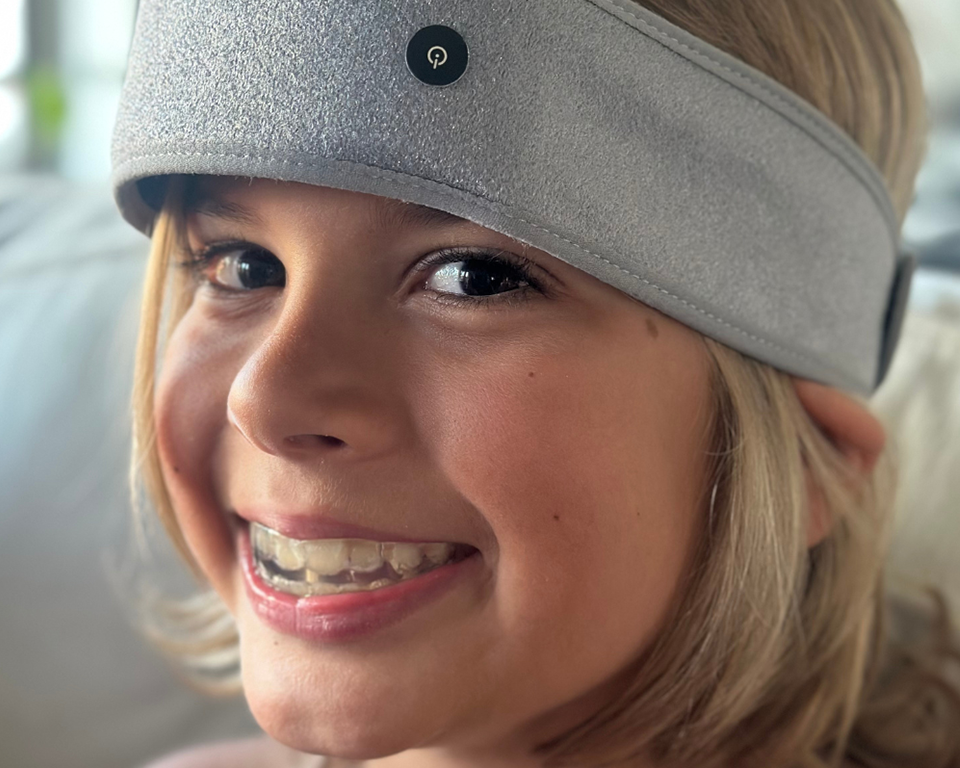
That’s when I found Toothpillow. We submitted his assessment at the end of March 2024 and started his journey with Toothpillow in mid-May 2024. Toothpillow is a dental device worn primarily at night along with myofunctional therapy, which encourages the tongue to stay in the correct position. This setup promotes natural expansion of the palate, helps lower the arch, supports proper jaw growth, and, over time, improves breathing. In many ways, it’s been transformative, helping him breathe better, sleep better, and develop in a way that will support his overall health.
Signs and Symptoms of Airway Health Issues in Children
Children with airway health issues can experience a wide range of symptoms that sometimes go unnoticed or are mistaken for other conditions. Mouth breathing in particular has documented effects on dentofacial growth, sleep, and behavior.[6] These signs can help parents recognize when there might be an underlying airway issue:
- Sleep apnea, short pauses in breathing during sleep, causing restless sleep and frequent awakenings
- Sleep-disordered breathing, labored breathing at night, sometimes with snoring, gasping, or choking sounds
- Large tonsils or adenoids, can obstruct the airway, especially during sleep
- ADD/ADHD-like symptoms, difficulty focusing, impulsivity, and hyperactivity can sometimes be linked to poor sleep quality rather than ADHD
- Bedwetting, trouble controlling the bladder at night may stem from inadequate deep sleep due to disrupted breathing
- Digestive issues, mouth breathing can lead to swallowing air, causing digestive discomfort or acid reflux
- Crooked teeth (malocclusion), misaligned teeth or overcrowding, often due to improper oral posture and mouth breathing
- Snoring, persistent snoring in children is often a key sign of airway obstruction
- Asthma, mouth breathing and airway issues can worsen respiratory conditions
- Night terrors, fragmented sleep cycles can lead to frequent nightmares
- Speech delays, problems with forming sounds and words, often tied to improper tongue posture
- Persistent cavities, mouth breathing reduces saliva and dries the mouth, raising cavity risk
- Depression or anxiety, poor sleep quality and chronic body stress can manifest in mood symptoms
- Headaches, oxygen deprivation from poor breathing patterns can cause morning or tension headaches
- Grinding or clenching, bruxism is often a response to airway obstruction during sleep
- Food avoidance, some children avoid certain textures due to oral sensitivities tied to airway issues
- Ear infections, chronic mouth breathing and enlarged adenoids can contribute to frequent ear infections
How Toothpillow Works to Support Airway Health
Toothpillow is more than a dental device. It’s a proactive solution that helps guide the natural development of the palate, jaw, and airway by encouraging proper tongue posture. Here’s a deeper look at how it works:
-
Promotes proper tongue posture
The Toothpillow encourages the tongue to rest against the roof of the mouth, which is crucial for expanding the palate and creating space in the airway. Research on maxillary expansion has shown that proper tongue posture supports the stability of palate widening over time.[5] By fostering this natural position, the device helps guide facial growth and ensure airways remain open.
-
Supports jaw and palate development
Children’s faces are still developing, and with proper guidance the Toothpillow can help the upper jaw widen, the lower jaw move forward, and the palate expand. Jaw and soft-tissue profile changes are most malleable during the developmental window of childhood.[1] This reduces airway obstruction, improves breathing, and helps prevent crowding of teeth.
-
Encourages nasal breathing
Chronic mouth breathing can cause the nasal passages to become underdeveloped or blocked. Toothpillow promotes the switch back to nasal breathing, vital for proper oxygen intake, sleep quality, and even cognitive development. Nasal breathing also produces nitric oxide in the sinuses, which supports pulmonary function and oxygen uptake throughout the body.[4]
-
Reduces snoring and disordered sleep
The design allows the jaw and airway to expand. As a result, kids experience less obstruction and better airflow, leading to quieter, more restful sleep.
-
Paired with myofunctional therapy
Toothpillow is paired with myofunctional therapy exercises that strengthen the muscles of the face and mouth, training the tongue and jaw to support long-term natural breathing and proper alignment.
Toothpillow doesn’t simply treat symptoms, it addresses the root causes of airway issues. By improving jaw and airway alignment, it helps kids avoid future problems that could otherwise require more invasive treatments. Long-term post-retention studies show that without intervention, mandibular and dental alignment continue shifting into adulthood.[7]
Our Child’s Airway Health Journey, Recognizing the Symptoms
Our child had been dealing with several signs that, at first, seemed unconnected but ultimately pointed to underlying airway health issues:
Dark circles under his eyes. We noticed persistent dark circles, more than just a cosmetic issue, they were a sign of poor sleep quality. These circles reflected the restless, fragmented sleep he was getting. When a child can’t breathe properly through their nose while they sleep, their body misses out on deep, restorative rest. Shallow breathing and frequent interruptions prevent them from reaching those deeper sleep stages, resulting in these visible signs of fatigue.
Difficulty focusing in school and constant daytime tiredness. Our child had a hard time staying focused and alert during the day, especially in school. Teachers often mentioned he seemed tired, distracted, or unable to concentrate. We later realized these focus issues were directly tied to his disrupted sleep. Children with airway issues may seem unfocused or display behaviors that mimic ADHD, as their bodies are under a constant, low level of stress from inadequate oxygen.
Snoring and open-mouth breathing, even while awake. Snoring in children is often brushed off or seen as “cute,” but it’s a major warning sign of airway obstruction. Our child snored every night, and his mouth was often open even while awake. Open-mouth breathing in a growing child can impact facial structure, jaw alignment, and teeth spacing, setting off a cascade of potential health issues.
Chronic congestion. Looking back at old videos, I can hear the constant congestion in nearly every clip. At the time, we didn’t think much of it, assuming it was just part of his growth or seasonal allergies. But chronic congestion turned out to be one of the clearest indicators that something deeper was going on with his airway health.
Why We Chose Toothpillow for Our Child’s Airway Health
After piecing together that our child’s seemingly unrelated symptoms were actually rooted in airway health, we started looking for a solution that would address the root cause rather than just managing each symptom separately. That’s when we came across airway dentistry, a unique field focused on developing and maintaining healthy airways, often using gentle, non-invasive methods to support natural growth of the jaw and palate. The American Dental Association formally recognized dentistry’s role in identifying and treating sleep-related breathing disorders in 2017,[2] and the American Academy of Pediatric Dentistry has published guidance specifically on obstructive sleep apnea in children.[3] Unlike traditional dental care, which tends to focus on teeth alone, airway dentistry recognizes that how we breathe has a huge impact on overall health, growth, and quality of life.
Through airway dentistry, we discovered how essential proper tongue posture and nasal breathing are for a child’s healthy airway development. When the tongue rests against the roof of the mouth, it naturally encourages the upper jaw to widen, creating space needed for easier breathing. But when growth is disrupted, often due to mouth breathing, poor tongue posture, or enlarged adenoids, the airway can become restricted, leading to the very issues our child was experiencing.
Toothpillow felt like the right choice for our family because it brings these principles together in a way that’s convenient and effective. Here’s what stood out:
-
Virtual, at-home care
One of the biggest benefits is the virtual care approach. As busy parents, it’s not always easy to fit in multiple in-person visits. With Toothpillow, the initial consultation and ongoing support happen from home, a huge plus for our schedule.
-
Non-invasive, root-cause approach
Unlike treatments that mask symptoms or require invasive procedures, Toothpillow focuses on the root cause. It encourages proper tongue posture to guide the natural development of the palate and jaw, creating more room in the airway, no surgery, no other interventions.
-
Directly addresses mouth breathing and snoring
We needed a solution that would help our child breathe more easily through his nose, day and night. Toothpillow helps retrain the tongue’s position to promote nasal breathing. With less mouth breathing and snoring, he started getting the deep, restful sleep he needed.
-
Holistic support for overall development
So many of our child’s issues, tiredness, trouble focusing, dark circles under his eyes, were all connected back to airway health. Addressing the underlying issue had a positive ripple effect on everything else.
Through this journey with Toothpillow, we’ve seen a real transformation in our child’s health and quality of life. The combination of virtual support and a gentle, non-invasive approach has been ideal for our family, and I couldn’t be happier with the changes we’ve seen.
Our Six-Month Toothpillow Review Results
After six months with Toothpillow, the changes in our child’s health were honestly amazing. Here’s what we’ve seen:
-
Better sleep
One of the first things we noticed was his sleep improving. Before Toothpillow, he’d wake up tired every morning, even if he’d slept all night, with dark circles under his eyes. Toothpillow helped open up his airway, letting him sleep more deeply. Those dark circles started to fade, and he’d wake up looking, and feeling, so much better. And honestly, it wasn’t just his sleep. With good rest, his mood, focus, and energy all improved too.
-
Less snoring and mouth breathing
Snoring and mouth breathing were a big concern for us. By guiding his tongue to rest against the roof of his mouth, Toothpillow helped him slowly switch from mouth breathing to nose breathing. His snoring quieted down a lot, and he started keeping his mouth closed even during the day. Switching to nose breathing has been a big deal, better oxygen levels, lower risk of respiratory issues, and quieter sleep.
-
More focus and energy during the day
Before, he’d often seem spaced out and tired, especially at school. His teachers even mentioned he seemed “distracted” or “unfocused.” Once his sleep improved, so did his ability to pay attention. Now he’s way more alert and engaged, with more energy to get through his day.
-
Positive changes in his face and jaw
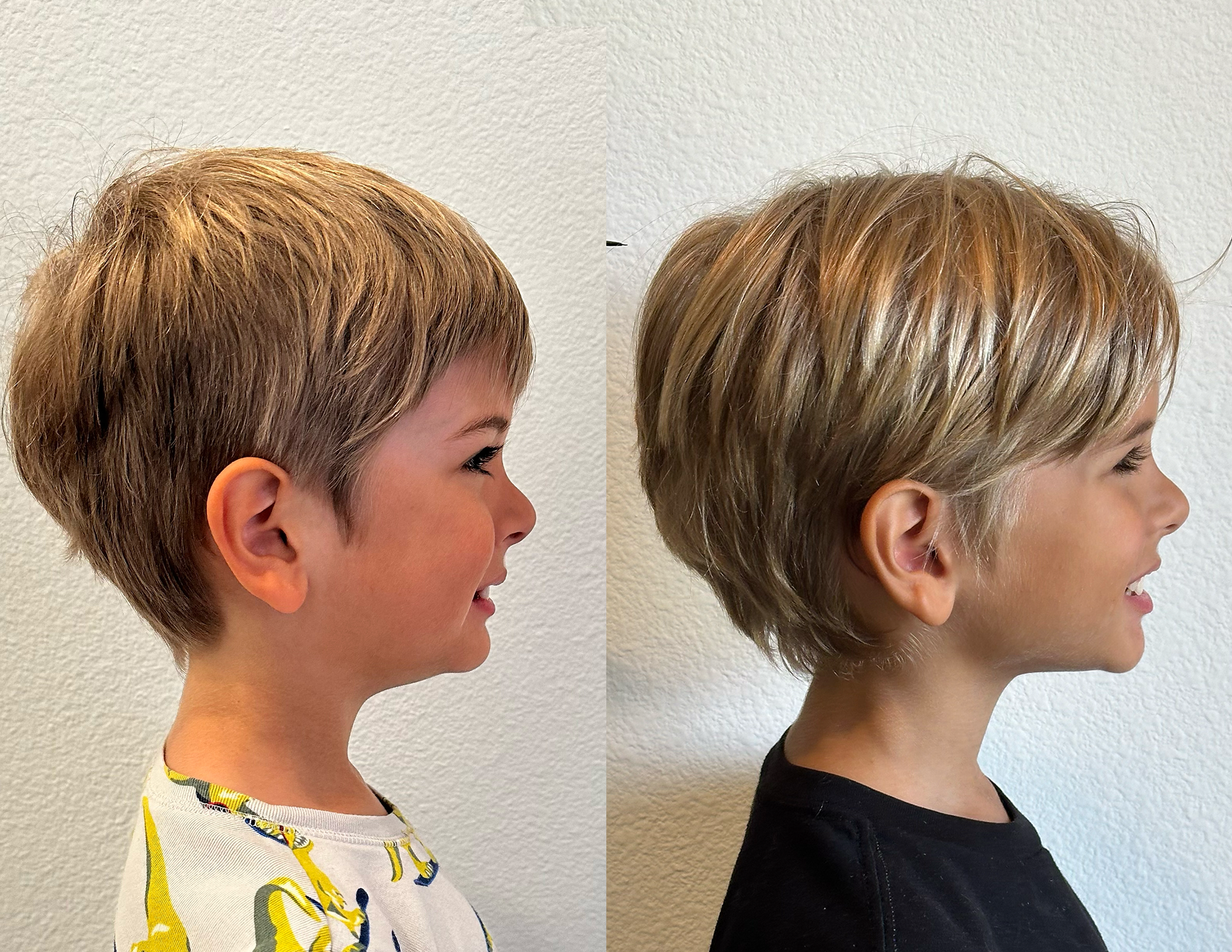
One thing we didn’t expect was how Toothpillow would affect his facial development. As he continued with it, his jaw alignment improved and his teeth started shifting into a better position. This means he might avoid some orthodontic issues in the future, a huge relief. Toothpillow’s gentle approach to guiding natural jaw growth, without any invasive treatments, has made a real difference.

How to Get Started with Toothpillow
To get started, Toothpillow offers a quick, simple assessment to see if it’s a good fit for your child’s needs. Just click below, and with my Toothpillow coupon code SOSH, you’ll get the assessment for FREE. I’m thrilled to share our story and what we’ve learned, and I hope it can help your family too.
Click Take the Assessment. When you get to the section that says “Who’s the person we can thank for referring you?”, make sure to enter Toothpillow coupon code SOSH to ensure you get a FREE consultation as well as $200 OFF of treatment if you’re approved and decide to move forward.
At this point, you’ll just need to take a few photos of your child and submit them for the FREE consultation. It’s simple: six quick photos and a few basic details, and you’re done. Then you wait. Depending on your location, it might take a few weeks to get a response, but trust me, it’s worth it.
Once reviewed, you’ll find out if your child is approved. From there, it’s up to you whether to move forward. Using my Toothpillow coupon code SOSH makes this initial step completely free, giving you a chance to get answers and see what’s possible for your child.
I’m so glad we found this solution, and I hope sharing our story can help your family find answers, too.
Research and References
The mechanisms behind airway-focused dental care, palate expansion, and the systemic effects of mouth breathing are supported by a growing body of peer-reviewed research and professional-association policy.
- Sharma S, et al. (2014). Age Changes of Jaws and Soft Tissue Profile. The Scientific World Journal, 2014:301501. PMC4258316
- American Dental Association. (2017). Policy on the Role of Dentistry in the Treatment of Sleep-Related Breathing Disorders. Resolution 17H-2017, ADA House of Delegates.
- American Academy of Pediatric Dentistry. Policy on Obstructive Sleep Apnea (OSA). aapd.org
- Lundberg JON, Weitzberg E. (1996). Nasal nitric oxide and pulmonary function. Acta Physiologica Scandinavica. Ongoing research program at the Karolinska Institute.
- Zimmerman JN, Vora SR, Pliska BT. (2019). Stability of maxillary expansion and tongue posture. Angle Orthodontist.
- Zhao Z, et al. (2021). Influence of Mouth Breathing on the Dentofacial Growth of Children: A Cephalometric Study. PMC4295456
- Little RM, Riedel RA, Artun J. (1988). An evaluation of changes in mandibular anterior alignment from 10 to 20 years postretention. American Journal of Orthodontics and Dentofacial Orthopedics. Long-term University of Washington post-retention studies.
What works
- Better sleep, within weeks his dark circles started fading and he was waking rested
- Less snoring and a real shift from mouth to nose breathing, day and night
- Visible improvements in focus and daytime energy after his sleep stabilized
- Gentle, non-invasive guidance for jaw and palate development, no surgery, no braces yet
- Virtual at-home care: initial assessment and ongoing follow-ups all done from our living room
- Free video assessment with code SOSH plus $200 off treatment if your child qualifies
Where it falls short
- Requires nightly wear. My older son adjusted in a few weeks; my younger son, also in the program, took about six months.
- Treatment is a months-to-years commitment, not a quick fix, visible structural changes took us months
- Works best when paired with myofunctional therapy exercises, which means parent buy-in to the routine
Is this medical advice?
No, this is our family's experience with the Toothpillow program. Every child is different, and airway health is something to discuss with an airway-trained dentist or pediatric ENT. The links here are what we used; check with your provider before starting any program.
How does the Toothpillow discount code work?
Take the assessment here and enter code SOSH in the 'Who's the person we can thank for referring you?' field. You'll get a FREE video assessment plus $200 off treatment if your child qualifies.
What age is Toothpillow designed for?
Toothpillow works best for children ages 3 to 12 while their jaws and palate are still developing. Jaw development is roughly 90% complete by age 12, so the earlier the better. The adult version is in development too, join the waitlist to be the first to know when it launches.
How long until you see results?
We saw better sleep and less snoring within the first few weeks. The bigger structural changes, palate widening, jaw alignment, came over months. After six months the changes in our son's health were honestly amazing.
Do you wear it all day?
Toothpillow appliances are worn overnight and for one to two hours during the day, paired with short myofunctional therapy exercises to train the tongue and jaw muscles.
Is the assessment really free?
Yes, using code SOSH at checkout makes the video assessment completely free. You only pay if your child is approved and you decide to move forward with treatment.
Will it replace seeing an ENT or airway dentist in person?
You can start with the Toothpillow assessment, it's a real airway dentist reviewing your child's case. If they think in-person care or an ENT visit makes more sense, they'll tell you. It never hurts to get both opinions.